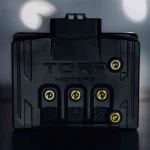


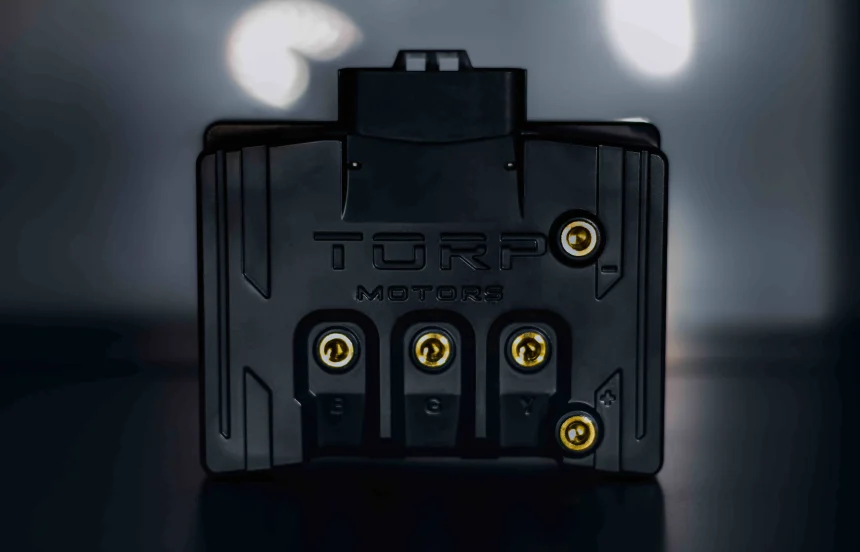
- Torque output is the headline. Torp controllers are known for delivering massive low-end torque. Riders report wheelie-on-demand power with properly configured setups.
- They work with most motors. Torp controllers are compatible with QS, Votol, and many other popular e-moto motors. Check the wiring diagram before buying, but compatibility is generally excellent.
- Programming is essential. A Torp controller out of the box is set to conservative defaults. You will want to tune the parameters phase current, battery current, throttle curves to match your build.
- The Bluetooth module is worth it. The optional Bluetooth dongle lets you tune from your phone. Worth every penny for field adjustments.
- Regen braking is adjustable. You can dial in exactly how much regen you want. Set it light for trail riding or aggressive for commuting.
- Overheating is a real concern. In hot climates or during extended hard riding, Torp controllers can thermal throttle. Consider active cooling for high-performance builds.
- Firmware updates add features. Torp regularly releases firmware updates that improve performance and add new tuning parameters.
- The 72V sweet spot. Most Torp controllers perform optimally at 72V battery configurations. Going higher voltage requires careful component matching.
- Installation is straightforward. If you can wire a battery and motor, you can install a Torp. The documentation is solid and the community is active.
- Price ranges from $300-$800. Depending on the model and power rating. Expensive for a controller, cheap for the performance gain.
- Warranty support varies by vendor. Buy from authorized dealers to ensure you get proper support if something goes wrong.
Whether you are building a street machine or a trail monster, a Torp controller is one of the best upgrades you can make to your e-moto. Just do your homework on settings before you ride.