

The Phantom Menace: Why E-Motos Are in the Crosshairs
The 3-Class System Under Siege
The e-bike industry spent years building the 3-class framework that made electric bicycles legally legitimate: Class 1 (pedal-assist, 20 mph), Class 2 (throttle, 20 mph), and Class 3 (pedal-assist, 28 mph). This framework has been adopted by 36 states and Washington DC, creating a clear legal path for e-bikes on bike lanes, trails, and roads.
The problem? A growing wave of products simply ignores these limits. Machines with 5,000-watt motors (the legal limit is 750 watts) and top speeds of 40+ mph are being marketed online as e-bikes, exploiting a simple loophole.
PeopleForBikes is now pushing for the term “e-moto” to clearly distinguish these vehicles from legitimate e-bikes, giving lawmakers a clean target for regulation.
Two Categories, One Problem
The e-moto problem actually breaks into two distinct categories:
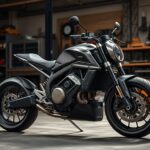
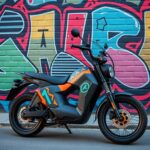
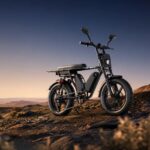
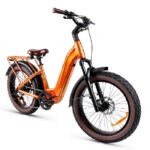
1. Moped-Style E-Bikes Cafe racer-style bikes like the Super73 that look cool and are hugely popular with teens. Many brands allow riders to “unlock” higher speeds through apps or codes, pushing them past legal limits. Brands are starting to backtrack, but the damage to the industry’s reputation is done.
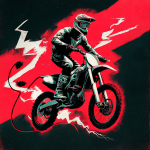
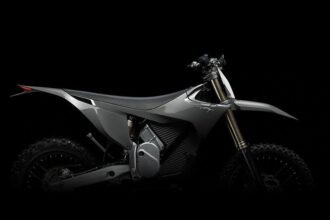
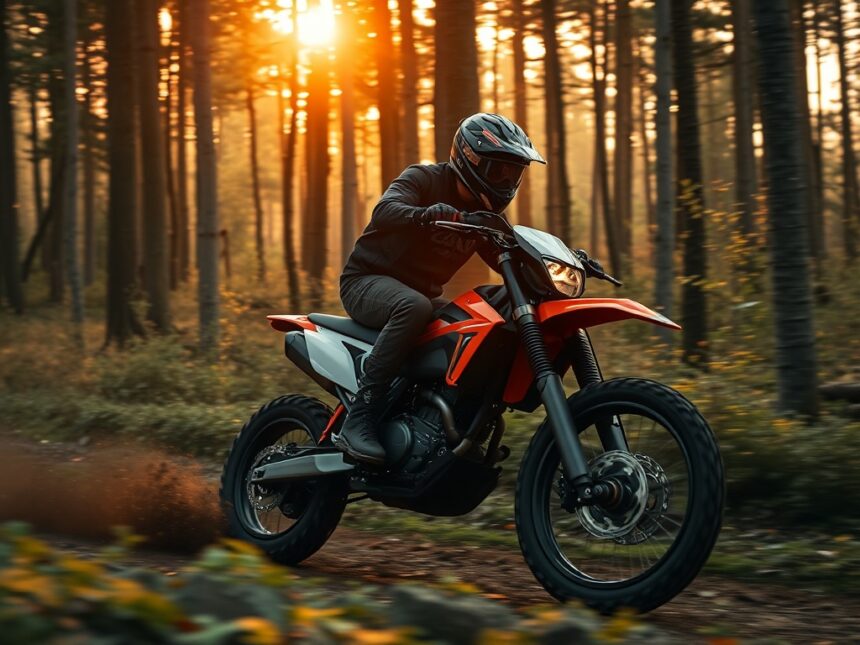
2. Electric Dirt Bikes Machines like Surron and Talaria that are essentially lightweight electric dirt bikes with token pedals. These are the vehicles causing the most concern, as they regularly hit 40+ mph on trails and streets never designed for such speeds.
The challenge for lawmakers is that both categories get lumped together leaving legit Class 2/3 e-mopeds caught in the regulatory crossfire.
What This Means for Riders & Enthusiasts
For the Emotoverse community riders who love electric motorbikes, Surrons, and high-performance e-motos this regulatory shake-up matters. Clearer definitions could mean:
- Better regulation that classifies e-motos appropriately instead of banning everything
- Dedicated spaces where e-motos can ride legally, separate from bike lanes and sidewalks
- Licensing pathways so responsible e-moto owners can register and insure their bikes
- Industry accountability that pushes brands toward safety without killing innovation
The key takeaway: e-motos aren’t going away. The question is whether the industry can define them properly before legislators do it in a way nobody likes.
Source: Original reporting by Electric Bike Report. Read the full article here.