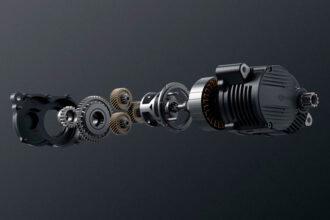

The e-bike industry just got hit with a seismic shakeup. Porsche, the German automaker synonymous with high-performance sports cars, has pulled the plug on its entire e-bike division, including Fazua, the German motor brand it acquired in 2022. The closure marks one of the most significant exits from the electric bicycle space by a major automotive player and raises real questions about the health of the premium e-bike market in Europe.
Porsche cited “fundamentally changed market conditions for e-bike drive systems” as the reason for shutting down three subsidiary companies: Porsche eBike Performance, Fazua, and related operations. The move comes after the company sold its 45% stake in Bugatti Rimac to HOF Capital, signaling a broader strategic retreat to core automotive business. Porsche’s executive board chairman Dr. Michael Leiters put it bluntly: “We must refocus on our core business. This is the indispensable foundation for a successful strategic realignment. This forces us to make painful cuts, including our subsidiaries.”
For riders who own bikes equipped with Fazua motors, the immediate concern is support. A Porsche spokesperson has promised that Fazua customers and dealers “will continue to have long-term access to spare parts and service,” with further details to follow. But as anyone who’s been through a brand closure knows, “long-term” is a squishy promise. We’ve seen other manufacturers talk a good game only to leave owners stranded when parts dried up.
The Fazua shutdown didn’t happen in a vacuum. European e-bike sales have been on a steady decline. After peaking at 4.2 million units in 2022, sales across major markets like Germany, France, and the UK dropped to about 4 million in 2023. The slide continued through 2024, with the UK down 9.7%, France dropping 15.8%, and Spain off 19.1% according to BikeRadar. Meanwhile, newer, more powerful drive systems like the Avinox mid-drive (pushing up to 1,500W and 150 Nm of torque) have been eating into Fazua’s market share. The writing was on the wall.
Specialized Fires Back With Heavy Price Cuts
In a move that feels directly connected to the shifting competitive landscape, Specialized has permanently slashed prices across its entire Turbo Levo e-MTB lineup. Reductions range from 6% to 27%, with the flagship Turbo Levo R S-Works dropping from a head-spinning $15,650 down to $11,500. That’s still a lot of coin for a bicycle, but the cuts signal that Specialized feels the heat from emerging competitors offering comparable power at significantly lower prices.
Matt Kephart, Specialized’s North American Commercial Leader, framed the cuts as the result of “operational improvements on the Levo platform” that reduced cost structures, combined with “the competitive moment in e-MTB.” Translation: brands like Amflow and others are delivering Fazua-beating performance at wallet-friendly prices, and Specialized isn’t about to lose its premium position without a fight. Riders who bought a Turbo Levo between January 1 and May 7 this year are getting Founder’s Credits covering 50% of the price difference, or 100% if they put it toward a higher-end S-Works, Pro, or Expert model.
Helmet Recalls and a Free Safety Course
The CPSC issued two recalls this week covering roughly 3,000 helmets sold on Amazon and Temu. About 2,200 Favoto H-1 youth helmets sold for $20 to $27 on Amazon fail to meet mandatory safety standards. Another 740 Foubeaka and Geniuss helmets sold via Temu carry the same risks. If you own one of these, cut the straps, photograph the damage, and email the seller for a refund.
On the brighter side, PeopleForBikes and the Motorcycle Safety Foundation are offering their e-bike safety course for free throughout May. Normally $35.99, the 90-minute course covers road rules, basic handling, and practice drills. If you’re new to e-bikes or just want a refresher before summer riding season kicks off, there’s no reason not to take it.
The Bottom Line for Riders
Porsche’s exit from e-bikes isn’t the death knell for the industry some might read it as. It’s more of a correction. The pandemic-fueled e-bike boom inflated a lot of companies, and the market is now settling into a more sustainable, competitive phase. Strong brands with loyal followings and real engineering advantages will survive. The ones that were riding hype alone? They won’t.
For now, if you’re on a Fazua-powered bike, keep an eye on parts availability and consider stocking up on spares if you plan to keep that bike long-term. And if you’ve been eyeing a Turbo Levo, this might be the best time to buy one. Competition is good for riders, and right now, it’s driving prices down.
Source: Electric Bike Report – The Weekly Recharge Episode 83