


There’s a quiet revolution happening on the streets of the Bay Area, and it’s being powered by something far more accessible than a Tesla or a Rivian. Ava Community Energy, the local clean energy provider serving Alameda and parts of the Central Valley, has just crossed a staggering milestone: over 15,000 e-bike rebates issued since the program launched. That’s fifteen thousand households who chose two wheels over four, and the numbers tell a story that anyone paying attention to the e-moto world should sit up and take notice of.
A Real-World Success Story
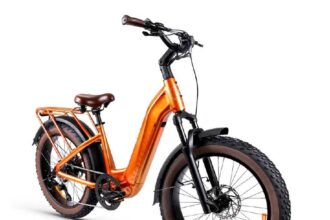
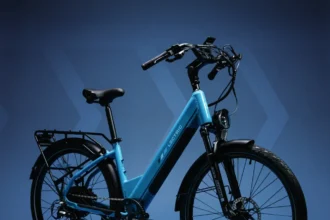
At a time when headlines about EV adoption tend to focus on the high end — $80,000 electric trucks, luxury SUVs, and robotaxi rollouts — Ava Bike Electric has been quietly doing the unglamorous work of getting people out of cars and onto e-bikes. The program is elegantly simple: qualifying residents get a rebate toward an e-bike purchase, but it can only be redeemed at participating local bike shops. No Amazon orders, no big-box general managers. The money stays in the community, and the local shops get loyal customers who come back for tune-ups, tires, and upgrades.
According to CEO Howard Chang, since the program launched nine months ago, participants have already logged over 1,079,000 miles on their new e-bikes. Even more telling: 62% of participants report driving less, replacing car trips with e-bike commuting, errands, and kid-hauling duty. In a state where gas prices are once again creeping upward, that’s not just a feel-good stat — it’s a practical lifeline.
Why E-Bikes Are the Gateway EV
For years, the EV industry has talked about “range anxiety” and charging infrastructure as the main barriers to adoption. But the Ava program reveals a simpler truth: the best first EV for most households isn’t a car at all. It’s an e-bike. The upfront cost is a fraction of even the cheapest electric car. Parking is free. Maintenance is trivial. And the learning curve? You already know how to ride a bike.
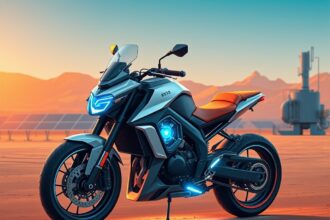
This is a lesson that the broader e-moto industry should take to heart. While Surron-style electric dirt bikes and high-power e-motos get the enthusiast clicks, the real volume market is in practical, affordable electric two-wheelers that replace car trips. Aparent in the article mentioned wearing plastic body armor for his e-bike commute — a vivid reminder that these aren’t toys for weekend warriors. They’re genuine transportation tools.
The Benefits Reach Everyone
What’s particularly smart about the Ava model is its built-in equity. 26% of the rebates have gone to income-qualified customers, and the incentives are distributed through a random drawing system rather than a first-come-first-served race. Local bike shops report families using cargo e-bikes to replace school runs, commuters skipping traffic, and even an Army veteran using a rebate to get back into cycling despite physical limitations.
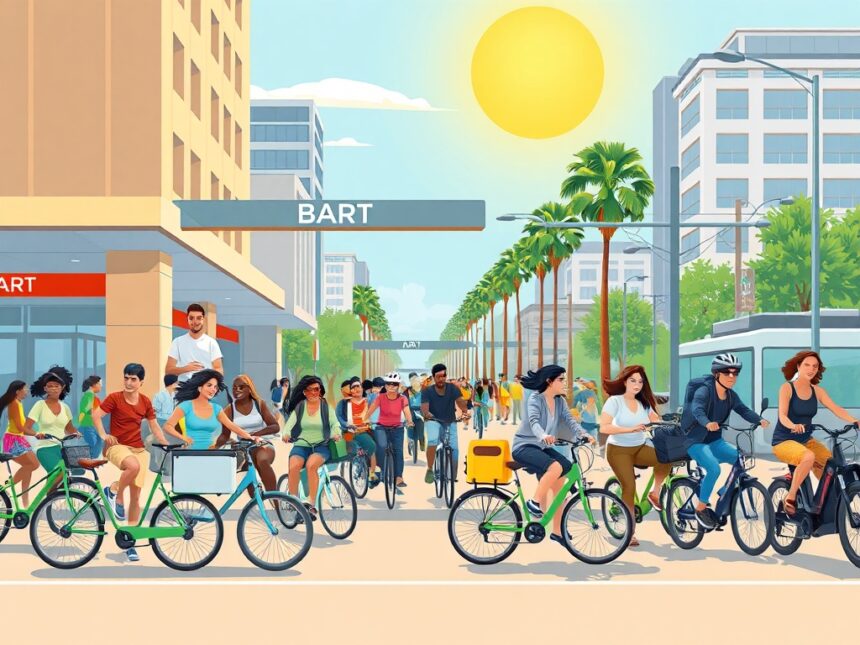
The program’s next Test & Ride event on June 27th at Coliseum BART Station, in partnership with Bike East Bay, is expected to draw hundreds of new riders. The first event last November had over 300 attendees. Momentum is clearly building.
What This Means for Riders
If you’re an e-moto enthusiast looking at the latest Surron Ultra Bee or high-end electric motorcycle, it’s easy to forget that the real growth story in electric two-wheelers is happening at the practical, everyday level. Programs like Ava Bike Electric are building a generation of riders who will eventually want to upgrade — to faster bikes, longer ranges, and more performance.
That’s good news for everyone in the space. More riders on e-bikes today means more e-moto customers tomorrow.
Read the original source at CleanTechnica.