
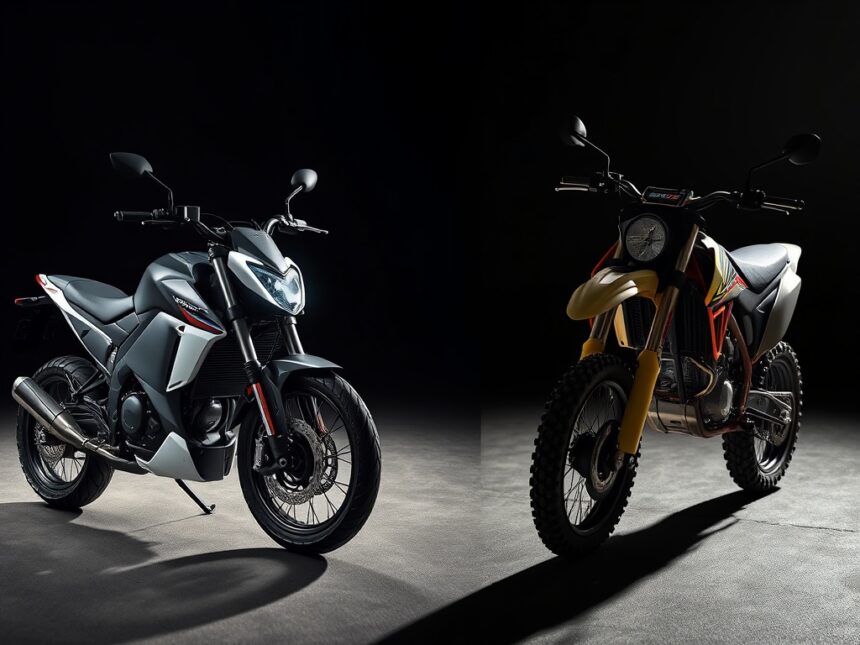
The Case for Electric
For young riders and beginners, e-motos are also much less intimidating. There is no clutch to stall, no kickstarter, no engine vibration. Twist and go makes the learning curve gentler, which is why many parents are choosing e-motos for their kids first off-road experience.
The Case for Gas
Gas bikes still dominate where range and refueling speed matter. A gas tank fills in two minutes; an e-moto battery takes hours. Gas bikes also have a deeper used market, wider parts availability, and decades of engineering refinement behind them. For serious motocross racing at the professional level, gas is still the standard though Stark Varg is challenging that.
The emotional factor matters too. Many riders love the sound and feel of a gas engine. The experience of riding a gas bike is visceral in a way that e-motos have not yet replicated.
Who Is Winning?
It depends on your definition. In the mini e-moto segment (under $5,000), electric has already won. Sur-Ron, Talaria, and E-Ride Pro have created a category that gas manufacturers cannot easily compete with. There is simply no gas bike that offers the same lightweight, approachable, low-maintenance experience at the same price point.
In the full-size performance segment, gas still holds the edge. But the gap is closing, and Stark Varg has proven that electric can compete at the top level.
The Bottom Line
Both platforms have their place. The smart approach is not to pick a side but to pick the right tool for your riding style. For trail exploration and daily fun, e-moto is hard to beat. For race day and long backcountry adventures, gas still makes sense. The best garage has one of each.